

THE IMPORTANCE OF PROPER FOUNDATION GRADING
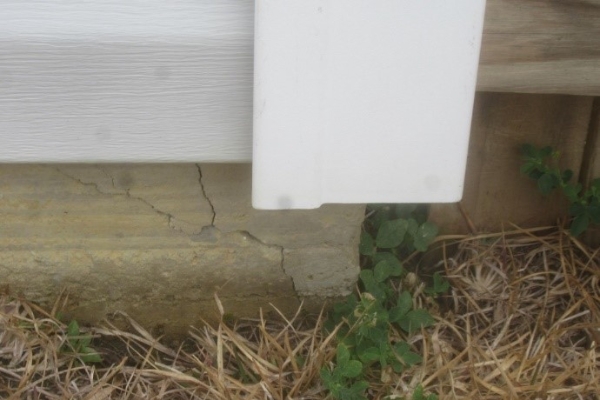
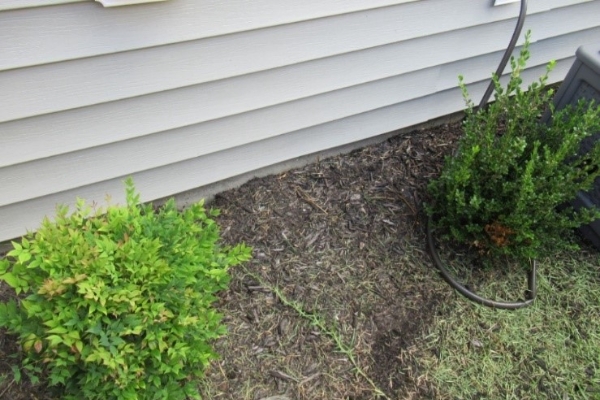
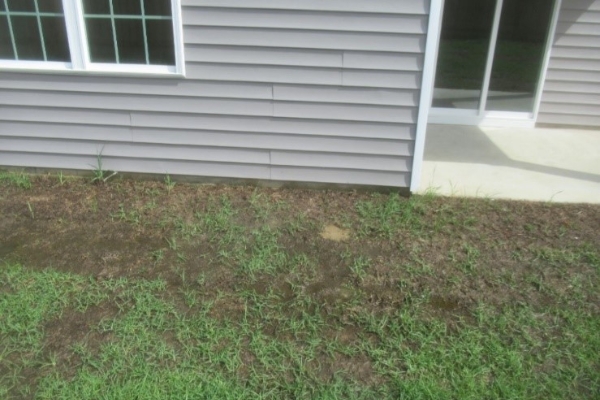
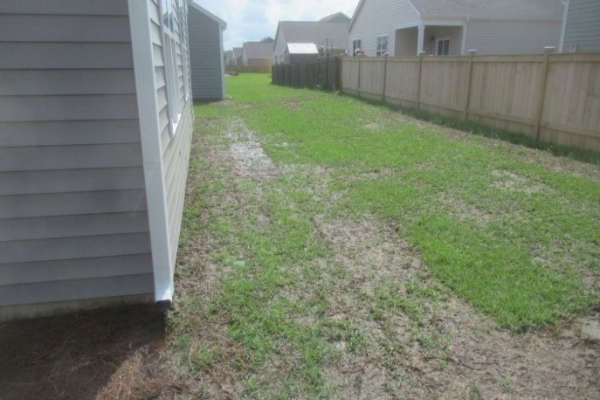
One of the first items you should investigate when you are interested in purchasing a home is the slope of the lot toward the house and the grading adjacent to the foundation.
As you walk around the exterior of the home look for any of these red flags:
- The lot slopes towards the home in one or more directions.
- Negative or neutral grading within 10 to 12 feet of the foundation.
- Depressions, sunken areas adjacent to the foundation.
- Concrete, brick patios, porches, walkways, and driveways that slope towards the home.
- There should be a positive slope away from the foundation of around 2 inch per foot for 10 to 12 feet. A good example would be a ski slope.
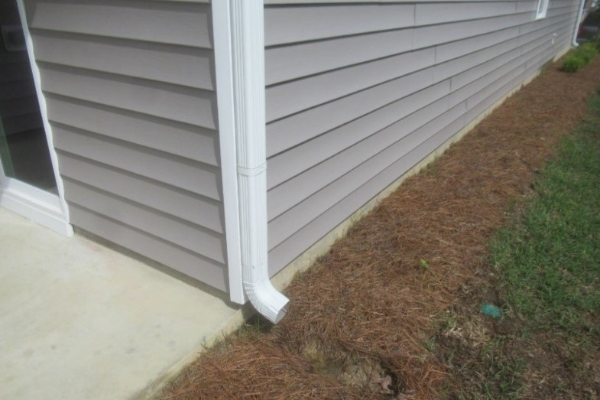
- Typically, there should be a minimum clearance of 6 to 8 inches from the finish grade and the bottom of the siding. A greater clearance would be more beneficial.
- Mulch, pine straw adjacent to the foundation is not advised since it holds moisture.
- Grass or a ground cover is recommended since they pull moisture out of the soil.
- Gutters help divert rainwater away from the foundation but look out for issues such as clogging, leaking at joints, missing, sunken, and misaligned splash blocks.
- I find these issues present in many of the homes I inspect. They can cause foundation cracking, water entry, and increased wood-destroying insect activity.
ROOFING CHECKLIST
To inspect the roof from the ground, you need a good eye or a pair of binoculars.
These are some of the issues that might be present:
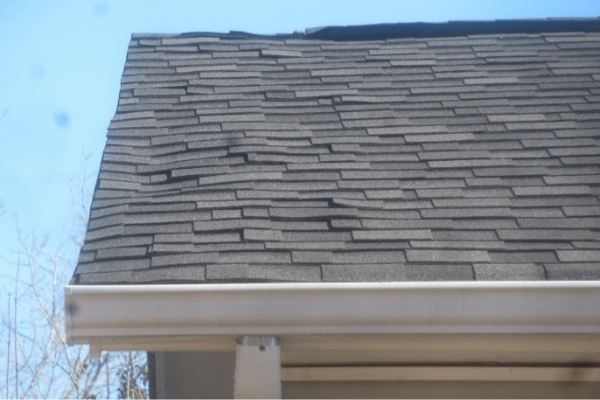
- Cracked, damaged, and missing roof shingles. This is typically due to aging which leaves the shingles brittle and more prone to wind damage.
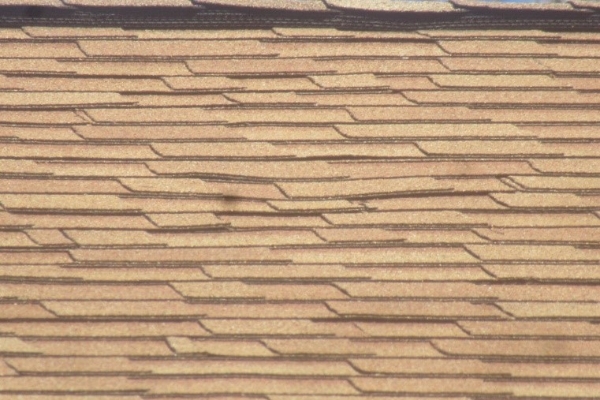
- Check for sunken, raised, and uneven sections of roof shingles. Roof shingles take the shape of what they are lying on and if that surface is uneven, they will be also. This can be due to bowed, uneven roof decking, sheathing or damage, deterioration to the roof decking, sheathing, framing. Viewing the conditions from the attic is helpful to determine the problem.
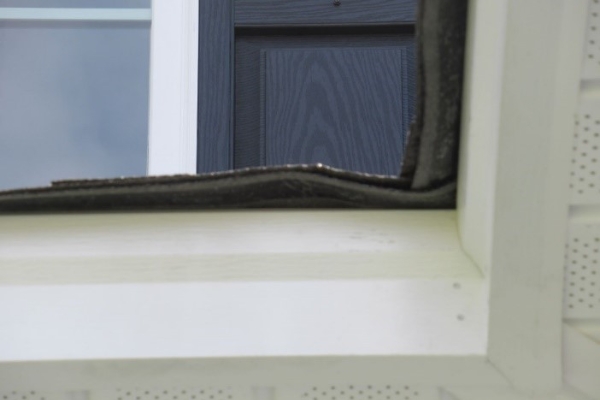
- Bent, bowed up roof shingles which is called a “fish mouth.” They are typically due to nails backing out and are more prone to wind damage.
- As the roof covering becomes older signs of aging become apparent. Some are loss of granules, cracking, curling, and cupping. It is difficult to give a precise estimate of the remaining useful life of roof shingles due to the many factors at play. When homeowners wait too long for replacement leakage can develop with resulting damage.
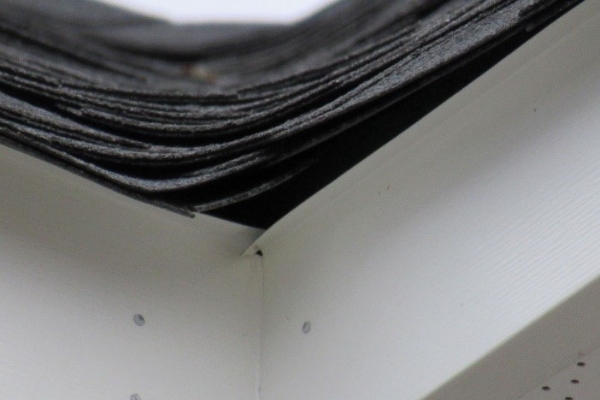
- As you walk around inspecting the roof, pay attention to the metal drip edge. This trim is located at the fascia and rake areas right below the edge of the roof shingles. Look for bent and bowed trim with open gaps adjacent to the edge roof shingles. These open gaps can allow weather entry, especially during a driving rain such as a hurricane. Flying insects and vermin can also use these openings as an entrance to the attic.
- Review the rubber boots at the plumbing vent pipes which exit the roof for open cracks, splits, and damage. This can allow water entry with resulting damage.
- Areas of the roof that are more prone to leakage are: adjacent to chimneys/projections through the roof, roof valleys due to a buildup of leaf/pine needle debris, damaged/deteriorated metal flashing, and sidewalls adjacent to roof shingles.
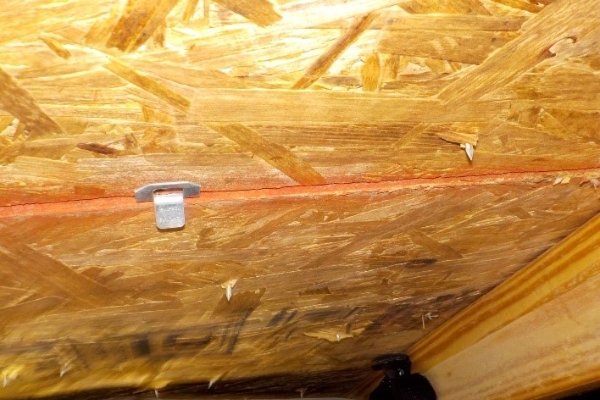
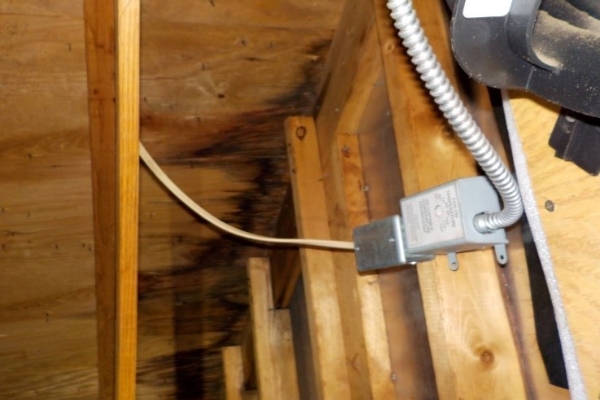
- Ventilation of the attic is very important. If there is not adequate ventilation moisture and heat buildup can cause a host of issues. As you scan the roof make a note of the ventilation present and if is sufficient. When you view the attic look for some of the signs of insufficient ventilation which are: sap coming out of the framing, dark mold on the roof decking/sheathing, bowed roof decking/sheathing at their butt joints, and white staining on the bottom of heating and cooling ducts from condensation during warm weather.
ISSUES WITH KITCHEN AND BATHROOM PLUMBING
Some of the issues you should look out for when you are interested in purchasing a home are noted below.
KITCHEN
- The kitchen sink faucet is leaking at its base when swiveled. This is a common problem with an older faucet. It is typically not cost-effective to have a plumber repair and replacement is normally performed.
- At the kitchen sink faucet when the hose sprayer is operated the diverter didn’t fully shut off the flow of water to the spout. This is a waste of water. This can typically be repaired by a plumber or a handy homeowner.
- When the kitchen sink drains there is a glug, glug sound which is typically from air bubbles coming up the line. This could be a vent or drain problem or a combination of both.
- Check below the sink for signs of or active leakage.
BATHROOM
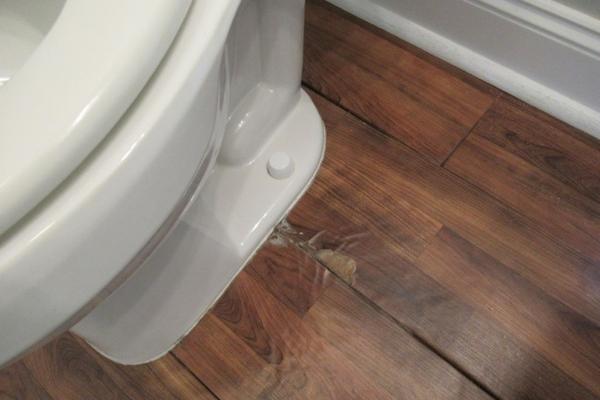
- A toilet that is loosely mounted to the floor. A typical way to check is to place your leg against the toilet bowl and push to see if it moves easily. Loose toilets can leak sewer gas, water, and cause possible floor damage.
- Toilets with cracking or damage. Due to this they can break or leak at any time.
- Toilets that are running. This means the water doesn’t shut off completely after it has filled the tank. This is a waste of water. This might just require an adjustment or a repair.
- Sometimes at the shower or tub/shower the showerhead, water control handle(s), and waterspout are not securely mounted inside the wall. Most times this is just a nuisance. The worst-case scenario is a broken pipe. Typically, the only proper way to correct this problem is to open the wall to perform repairs.
- At tub/showers when the diverter control for the showerhead is operated sometimes the water flow to the spout is not fully cut off. This is a waste of water. Depending on the type of diverter control, threaded on spout, or pushbutton, the repair is easy or more difficult.
- With copper water supply piping there is the possibility of a “water hammer”. This is a loud banging noise that occurs when water flow is cut off suddenly at the sink and tub/shower control handles. This is sometimes due to the piping not being secured firmly and, or long straight runs. Copper supply joints have been known to separate after repeated shocks.
- Ceramic tiled showers have issues with drain pans installed below the ceramic floor tiles. The pan is supposed to collect water that seeps through cracked, damaged tiles or mortar, and caulk joints, then direct it to the drain piping. Older homes typically have metal drain pans which deteriorate and rust out. Newer homes usually have rubber membrane types which can tear or not have been installed properly. If located on the first floor with a crawl space, you can review from below. If located on the second floor you can check for stains, signs of leakage at the first-floor ceiling below.
- Check below the sinks for signs of or active leakage.
Schedule a Home Inspection
Call or Email Today for an Inspector You Can Trust


